

How Long Till CBD Goes Bad? (Real-World Shelf-Life Guide)
CBD doesn’t “expire” like milk, but it does lose potency and — depending on the formula — the fats, sugars, or botanicals around it can spoil. This guide breaks down what “going bad” actually means, realistic timelines for common CBD formats, how to spot problems, and how to store your products so they last.
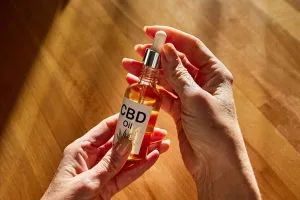
Check the label date and color—fresh CBD oil should be clear and consistent.
What “going bad” means for CBD
There are three different failure modes to keep in mind:
-
Potency drop (oxidation/light/heat): Cannabinoids slowly degrade when exposed to oxygen, heat, and UV light. As CBD oxidizes, you’ll get less effect from the labeled dose. This is the most common “expiration.”
-
Rancidity (fats/oils): Carrier oils (MCT, hemp seed, olive) can oxidize, giving a paint-like, soapy, or “cardboard” smell/taste. Rancidity isn’t usually dangerous in small amounts, but it’s unpleasant and a sign the product has aged.
-
Microbial spoilage (moisture + time): Higher-water formulations (beverages, lotions without proper preservatives, homemade infusions) can support bacteria or mold if poorly stored.
Typical shelf-life windows (unopened, stored cool, dark, and dry)
These are conservative ranges for commercial, sealed products kept at ~15–21 °C (60–70 °F), away from sunlight.
-
CBD Oil Tinctures (MCT/hemp/olive carriers): 12–24 months.
Amber bottles, tight droppers, and nitrogen flushing push to the upper end. Flavored tinctures with botanicals often sit near the lower end. -
CBD Capsules/Softgels: 18–24 months.
Encapsulation limits oxygen and light. Gelatin shells can absorb moisture if the bottle is left open; keep the desiccant inside. -
CBD Gummies & Candies: 6–12 months.
Sugar and low water activity help; pectin/gelatin can dry out or weep over time. Sour/sugar coatings can crystallize in humidity. -
CBD Chocolate/Baked Goods: 2–6 months for bars; days to weeks for fresh baked items (refrigerate or freeze to extend). Fats go rancid faster in warm rooms.
-
CBD Beverages: 1–6 months unopened in the fridge (follow the label). Once opened, treat like juice: 3–7 days refrigerated.
-
CBD Topicals (balms, creams): 6–12 months for oil-only balms; 6–12 months for water-based creams/lotions if preserved and capped tightly. If you notice separation, odd smell, or color change, toss.
Opened containers move toward the lower end of each range. Every un-capped minute is oxygen and humidity time.
What shortens (or extends) shelf life
1) Carrier oil & formula
-
MCT oil is relatively oxidation-resistant; tinctures last longer.
-
Hemp seed oil is nutritious but more delicate (higher polyunsaturated fats) — monitor for rancid aromas.
-
Olive oil sits in the middle.
-
Added botanicals (terpenes, flavor extracts) can shorten life or mask early rancidity — rely on date and storage, not just taste.
2) Packaging
-
Amber or opaque bottles protect from UV.
-
Airtight, tamper-evident closures slow oxygen ingress.
-
Foil/mylar pouches outperform clear plastics for gummies.
-
Keep the desiccant in gummy/capsule jars; it’s doing work.
3) Storage conditions
-
Heat speeds every degradation pathway.
-
Light breaks down cannabinoids (especially UV).
-
Oxygen oxidizes both CBD and fats.
-
Humidity triggers texture changes and, worst-case, mold.
Rule of thumb: cool, dark, dry, airtight. If it’s comfortable for wine and chocolate, it’s good for CBD.
Signs your CBD product has gone bad
Use your senses first. If anything seems off, there’s no reason to push it.
-
Smell:
-
Oils: paint-like, nail-polish-adjacent, or stale-nut = rancid fats.
-
Gummies: sharp sourness or fermentation note.
-
Topicals: musty or “old lotion” smell; essential oils that turned harsh.
-
-
Taste:
-
Strong bitterness or soapiness that wasn’t there before = oxidation.
-
“Cardboard” finish in oils = stale carrier.
-
-
Appearance & texture:
-
Gummies: sticky syrup, gritty sugar bloom, or visible mold.
-
Oil: clouding or sediment alone isn’t always bad (some extracts precipitate at cold temps)—but clouds + rancid odor is a no.
-
Topicals: separation that won’t re-emulsify with gentle shake, color shift from light cream to grayish, or spots.
-
-
Effect drift:
-
If a familiar dose does noticeably less — and storage hasn’t been great — potency likely faded.
-
When in doubt, replace. Fresh stock: CBD Oils • CBD Gummies.
How to store CBD so it lasts
-
Pick the right place: a cupboard or drawer on an interior wall (cooler, fewer temperature swings). Keep away from the stove, sunny sills, and steamy bathrooms.
-
Minimize headspace: after opening, consider decanting oils into a smaller amber bottle to reduce the air gap.
-
Cap immediately & firmly. Oxygen and humidity climb fast in open rooms.
-
Avoid light: keep products in their retail box or an opaque bin.
-
Refrigeration?
-
Fine for gummies and chocolate (in a sealed container to prevent moisture pickup).
-
Tinctures: optional. Fridge can thicken oils; let them come to room temp before dosing.
-
-
Freezing: useful for long holds on gummies or baked goods. Wrap airtight, label the date, and thaw sealed to avoid condensation.
Does CBD itself “expire”?
CBD is chemically stable at room temperature when protected from light and oxygen, but it still slowly oxidizes. You won’t suddenly have a harmful molecule; you’ll just have less active CBD per milliliter and more breakdown products (generally benign at trace levels). The practical takeaway: once the bottle is open and being used daily, plan to finish it within 3–6 months for consistent dosing.
Why some labels show 12 months and others 24+
Shelf life isn’t only about CBD; it’s the whole formula. Brands test stability for their specific carrier oil, flavor system, and container. A 24-month date usually indicates: MCT carrier, amber glass, oxygen-limited filling, and good sealing. A 12-month date may reflect delicate botanicals, clear packaging, or low-oxygen controls.
If your bottle only shows a lot number with no date, your best approach is to store perfectly and aim to use within a year of purchase.
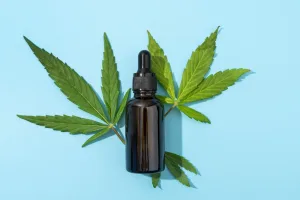
Store CBD oil in a dark bottle and away from light to slow oxidation.
Safety notes
-
Mold or growth = toss immediately. Don’t scrape or salvage.
-
Rancid oils aren’t acutely toxic, but they’re a sign of poor storage or age — replace the product.
-
Allergies/preservatives: if you react to a product that sat warm for months, it may have changed. Switch to a fresh bottle and consider a different carrier or preservative system.
Quick comparison: CBD formulation vs. longevity
| Form | Typical shelf life (sealed) | Biggest risk | Best practice |
|---|---|---|---|
| Oil tincture (MCT) | 12–24 mo | Oxidation/rancidity | Amber glass, cap tight, dark cupboard |
| Capsules/softgels | 18–24 mo | Moisture ingress | Keep desiccant, close quickly |
| Gummies | 6–12 mo | Humidity, stickiness/mold | Mylar pouch/jar, cool & dry storage |
| Chocolate | 2–6 mo | Fat oxidation, heat | Cool room or fridge (sealed) |
| Topicals | 6–12 mo | Preservative failure, light | Opaque tube/jar, avoid heat |
| Beverages | 1–6 mo (unopened) | Microbial if mishandled | Keep refrigerated; finish 3–7 days after opening |
Need a replacement? Browse CBD Capsules or explore CBD Topicals.
FAQ
Can I still use a CBD oil that smells “earthier” than before?
If it’s only a subtle herbal note and the taste is normal, likely yes. If it smells like old nuts, paint, or nail polish, it’s rancid—replace.
My gummies got hard. Are they unsafe?
Usually they’ve lost moisture. If there’s no off-smell or spots, they’re likely safe but less pleasant. If you see condensation, fuzz, or sour odor, discard.
Will refrigeration make my tincture stronger for longer?
Cooler temps slow oxidation, but the biggest wins are darkness, airtight caps, and low heat. Fridge is optional and can thicken oils.
Does CBD potency fall to zero?
Not quickly. Expect gradual decline. If you rely on precise dosing, buy sizes you’ll finish within three months once opened.
Bottom line
CBD “goes bad” two ways: the CBD slowly weakens, and the surrounding formula can spoil if it’s warm, bright, or exposed to air and humidity. Buy in sizes you’ll finish soon after opening, store products cool, dark, dry, and airtight, and trust your senses. When you’re ready for a fresh bottle or a format that fits your routine better, jump into the current lineup of CBD Oils, CBD Gummies, and CBD Capsules.

I’m Bud Ben, and I write for BudDelivery to help Canadian adults shop smarter for cannabis online. I focus on clear, practical guides that break down flower, vapes, concentrates, and edibles covering potency ranges, effects, flavors/terpenes, and what to look for in quality and value. My goal is to make it easier to find the right product for your preferences without the guesswork.


